Describe the Goal of Phylogenetic Systematics
Systematics - The study of biological diversity in an environmental context encompassing taxonomy and involving the reconstruction of phylogenetic history. The new systematics Goals of Strictly Phylogenetic Systematics Although Hennigs Grundzuge einer Theo-rie der phylogenetischen Systematik was pub.

Phylogeny And Systematics Ppt Download
List down two advantages and two disadvantages of the traditional Linnaean system.
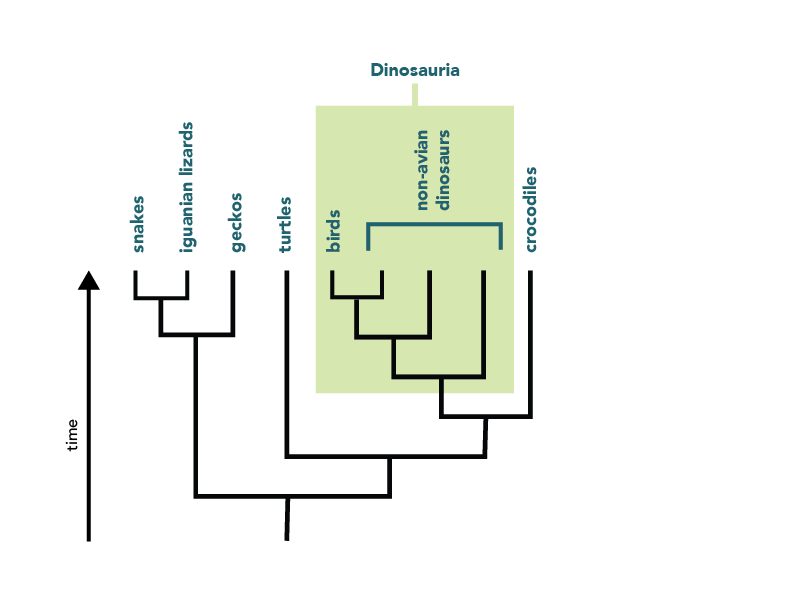
. And 3 the dif-ferent methods of determining the polar-ity of character transformation series. Identify describe classify and name organisms based on evolutionary relationships Taxonomy. This book is Hennigs earliest extensive publi-212.
The goal of systematics is also to establish evolutionary relationships among organisms. Phylogenetic trees of species and higher taxa are used to study the evolution of traits and the. Two goals of systematics phylogeny Taxonomy.
To arrange these units in a logical hierarchy that permits easy and simple recognition in the basis of similarity classification 3. Determine the evolutionary ancestor-descendant relationships between all. Biologists are taking advantage of this by using a system of phylogenetic classification which conveys the same sort of information that is conveyed by trees.
Draw a phylogenetic trees components and discuss the purpose of each. Start studying Phylogenetic Reconstruction. Relationships interpreted as sister-lineages clades 2.
Through phylogenetics we learn not only how the sequences came to be the way they are today but also general principles that enable us to predict how they will change in the future. Brary as a prisoner of war in 1945. The Linnaean System Advantage Disadvantage 1.
However it is established that systematics does not only aim to classify and describe organisms. Branching order and branch length. Relationships are visualized as evolutionary trees.
Differentiate individual organisms and establish the basic units. The major elements of phylogenetics are summarised in Figure 1 below. Figure 1 Elements of phylogenetics.
Systematics today is a vigorous and exciting field that has been given great impetus by the discoveries of molecular biologists who now are describing organisms at their most fundamental levelthe DNA sequences of the cellsand. Studies diversity of life and evolutionary relationships phylogeny. The primary objective of phylogenetic system atics is to reconstruct the evolutionary.
Phylogenetics is important because it enriches our understanding of how genes genomes species and molecular sequences more generally evolve. 1 the goals of strictly phylogenetic systematics cladistics sensu Hennig ie largely the definition of monophyly and of phylogenetic relation-ship. Biological systematics is the study of the diversification of living forms both past and present and the relationships among living things through time.
Clearly evolutionary trees convey a lot of information about a groups evolutionary history. This ladder-like phylogenetic tree of vertebrates is rooted by an organism that lacked a vertebral column. Phylogeny - The evolutionary history of a species or group of related species.
Taxonomic known as the Linnaean System and phylogenetic. Learn vocabulary terms and more with flashcards games and other study tools. To keep the details of 1 and 2 separate nomenclature 4.
1 binomial nomenclature 2 hierarchical classification Fig 257 3 taxon taxa 4 only species exist in nature as biologically cohesive units. Another aspect of phylogenetic trees is that unless otherwise indicated the branches do not. Lished in 1950 Hennig had written the manuscript without having access to a li.
Systematics can be divided into two closely related and overlapping levels of classification. Best tree determined by greatest amount of evidence 4. At each branch point organisms with different characters are placed in different groups based on the characteristics they share.
Taxonomyclassification should based on inferred pattern of historical relationships monophyly population genetics natural selection and. In contrast to the traditional Linnaean system of classification phylogenetic classification names only clades. The advantage of the phylogenetic classification scheme is that in theory it is congruent to the specific evolutionary history ie the phylogeny of the organisms being Continue Reading The main purpose of phylogenetics is to create a classification system whereby organisms are explicitly grouped in a way that reflects their evolutionary relationships.
Phylogeny leads to classification. Systematics - The goal of systematics is to have classification reflect the evolutionary relationships of species. 2 the concept of apomorphic and plesiomorphic characters.
What are the goals of modern systematics. Discuss the need for a comprehensive classification system. List the different levels of the taxonomic classification system.
Phylogenies have two components. Organize plants and plant groups to reflect their evolutionary relatedness and their descent from a common ancestor a goal of phylogenetics. Draw a line diagram to illustrate how systematics and taxonomy relate to phylogeny.
Phylogenetics is the study of evolutionary relationships among biological entities often species individuals or genes which may be referred to as taxa. Synapomorphies determine common ancestry 3.
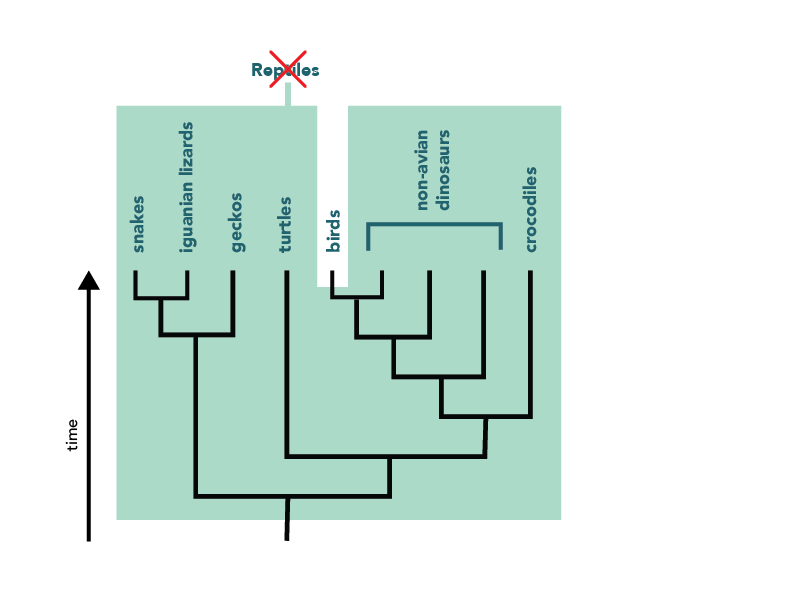
Using Trees For Classification Understanding Evolution
Using Trees For Classification Understanding Evolution
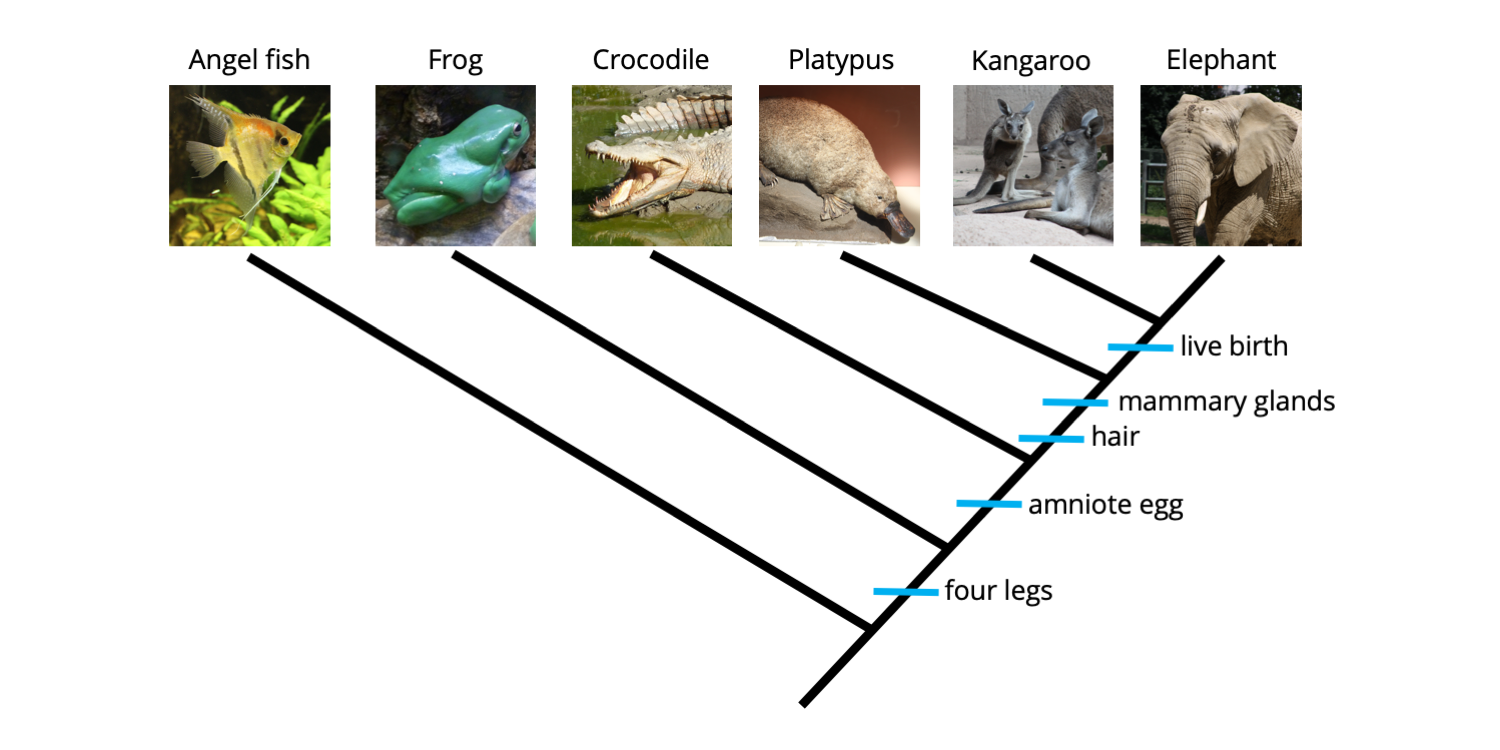
2 3 Character Mapping Digital Atlas Of Ancient Life
No comments for "Describe the Goal of Phylogenetic Systematics"
Post a Comment